

Can linear guideways be used in medical equipment? Well, that's a question I get asked a lot as a supplier of linear guideways. In this blog, I'm gonna break it down for you and explain why linear guideways can indeed be a great fit for medical equipment.
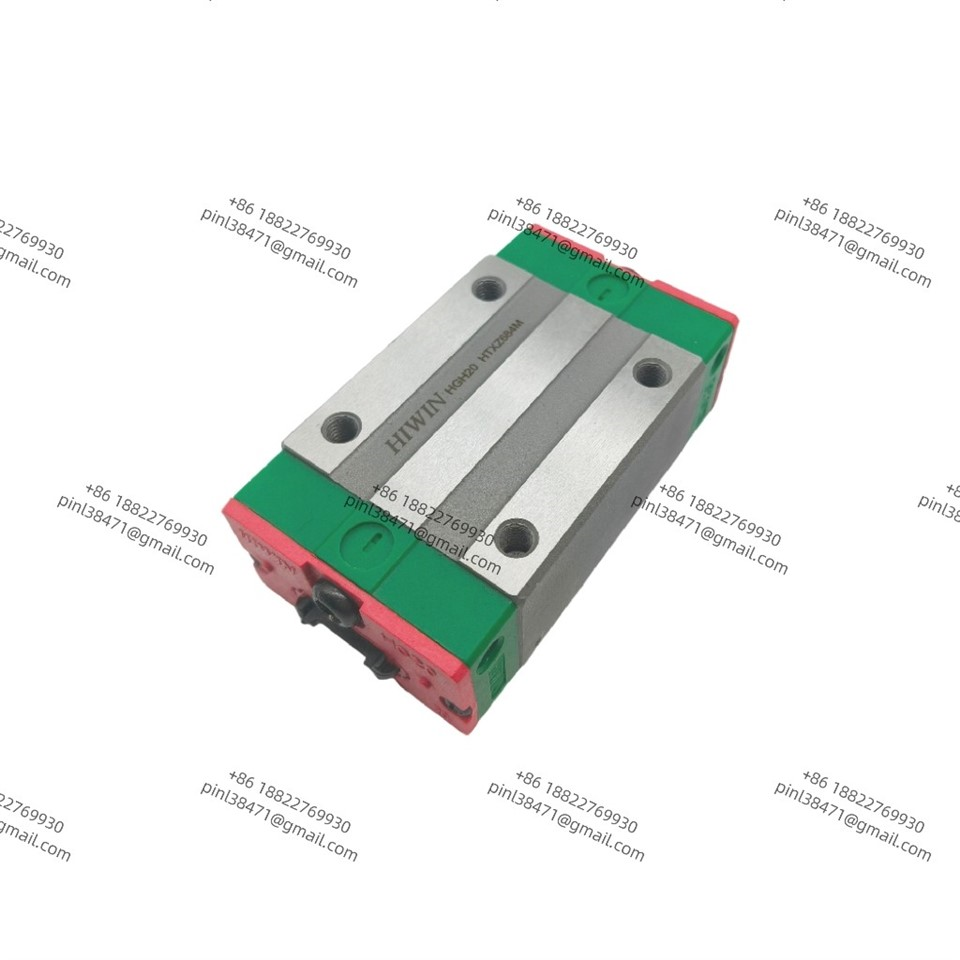
Let's start by understanding what linear guideways are. Linear guideways, also known as linear rails, are mechanical components that provide smooth and precise linear motion. They consist of a rail and a block that moves along the rail. The block is designed to carry a load and move in a straight line with minimal friction. You can check out more about them on our Linear Guideway page.

Now, why would medical equipment need linear guideways? First off, precision is key in the medical field. Whether it's a diagnostic machine, a surgical robot, or a patient positioning system, these devices need to move with extreme accuracy. Linear guideways offer high precision and repeatability, which means they can consistently move to the same position over and over again. This is crucial for tasks like imaging, where even the slightest deviation can lead to inaccurate results.
Take, for example, a CT scanner. These machines use X - rays to create detailed cross - sectional images of the body. The patient table needs to move smoothly and precisely through the scanner to ensure that the images are clear and accurate. Linear guideways can provide the stable and accurate motion required for this process. They can move the table at a consistent speed and stop at the exact position needed for each scan.
Another important aspect is reliability. Medical equipment is often used in critical situations, and any breakdown can have serious consequences. Linear guideways are known for their durability and long service life. They are designed to withstand high loads, frequent use, and harsh environments. For instance, in an operating room, surgical robots need to be reliable. Linear guideways can ensure that the robotic arms move smoothly and without failure during a surgical procedure.
Let's talk about the different types of linear guideways available. We offer a variety of options, including the Taiwan Hiwin Original Linear Guide HGH HGW HGR. These guideways are known for their high - quality construction and performance. They are made with precision - ground rails and high - strength blocks, which can handle heavy loads and high - speed motion.
In addition to precision and reliability, linear guideways also offer flexibility. They can be customized to fit the specific needs of different medical equipment. For example, some medical devices may require a compact linear guideway to save space, while others may need a long - stroke guideway for larger movements. As a supplier, we can work with you to design and manufacture the right linear guideway for your application.
One of the challenges in using linear guideways in medical equipment is the need for cleanliness. Medical environments require strict hygiene standards. That's why our linear guideways can be designed with features like sealed covers to prevent the ingress of dust, dirt, and other contaminants. This helps to maintain the performance of the guideway and ensures that it meets the cleanliness requirements of the medical field.
Now, let's think about cost - effectiveness. While high - quality linear guideways may seem like a significant investment, they can actually save money in the long run. Their long service life means fewer replacements, and their high performance can improve the overall efficiency of the medical equipment. For example, a more precise guideway can reduce the number of retests in a diagnostic machine, which saves time and resources.
When it comes to choosing a linear guideway for medical equipment, there are a few factors to consider. First, you need to think about the load capacity. How much weight will the guideway need to carry? This includes the weight of the equipment itself and any additional loads, such as a patient or a surgical instrument. Second, the speed of the motion is important. Some medical procedures may require fast movements, while others need slow and steady motion.
You also need to consider the accuracy requirements. Different medical applications have different levels of precision needed. For example, a microsurgery robot will require a much higher level of accuracy than a simple patient transfer device. And of course, the environment in which the guideway will be used is crucial. Is it a cleanroom environment? Will it be exposed to chemicals or high temperatures?
As a supplier, we have the expertise to help you make the right choice. We can provide technical support and advice to ensure that you get the best linear guideway for your medical equipment. Our team of engineers can work with you to understand your specific requirements and recommend the most suitable product.
If you're in the market for linear guideways for your medical equipment, we're here to help. We're a leading Manufacturer Linear Guide And Block and can provide high - quality products at competitive prices. Whether you need a standard linear guideway or a custom - designed solution, we've got you covered.
So, if you're interested in learning more about how our linear guideways can benefit your medical equipment, don't hesitate to reach out. We're always happy to have a chat and discuss your needs. Contact us today to start the conversation about your next project.
References
- "Linear Motion Technology Handbook" by Thomson Industries
- "Medical Device Design and Development" by various industry experts
