A Guide to the Application and Selection of Linear Modules
Optimizing Automation Systems with Precision Linear Motion Solutions
Linear modules are fundamental components in modern industrial automation, enabling precise, repetitive linear motion. Their correct application and selection are critical to the performance, accuracy, and reliability of automated equipment. This guide provides a comprehensive overview for engineers and designers.
Versatile Applications Across Industries
Linear modules have become ubiquitous, replacing complex custom-built systems for a wide range of automation tasks. Key applications include:
Handling and Loading: Transferring workpieces from one point to another, such as for machine tending or conveyor belt transfer.
Dispensing and Coating: Enabling precise application of adhesives, sealants, or paints on 2D or 3D paths.
Inspection and Measurement: Serving as a positioning platform for cameras, sensors, or probes for quality control.
Fastening and Welding: Providing accurate positioning for automated screwdriving or welding tools.
Pick-and-Place: Integrated with vacuum grippers or pneumatic claws for rapid and precise component handling in packaging and assembly.
Precision Assembly: Crucial in electronics and semiconductor manufacturing for the accurate placement of miniature components.
A Systematic Approach to Selection
Choosing the right linear module requires a methodical analysis of application requirements. The core parameters are as follows:
1. Define Core Performance Requirements
Load Capacity: The total weight of all components mounted on the module's carriage must be calculated. The module's rated load must exceed this with a 20-30% safety margin. Moments created by overhung loads are also a critical consideration.
Stroke Length: The required travel distance determines the length of the module's guiding elements and drive mechanism.
Speed: The average and maximum operational speeds will influence the type of drive mechanism.
Accuracy: This includes positioning accuracy and the more commonly specified repeatability. This is a primary factor in choosing the drive type.
2. Select the Module Type Based on Performance Needs
The choice between the two main types of linear modules hinges on the trade-off between speed, precision, and load.
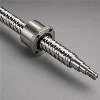
Ball Screw-Driven Modules:
Advantages: High precision, high rigidity, excellent thrust force, and smooth operation.
Disadvantages: Limited maximum speed, challenges with very long strokes, potential for noise and heat generation.
Ideal For: High-precision, high-load, and medium-speed applications like precision inspection, dispensing, and heavy part handling.
Belt-Driven Modules:
Advantages: High speed, low noise, smooth operation, and suitability for very long travel distances.
Disadvantages: Lower accuracy and rigidity compared to ball screws, potential for belt stretch requiring tensioning mechanisms.
Ideal For: High-speed, long-stroke applications with light to moderate loads, such as sorting, rapid transfer, and spraying.
3. Choose the Motor and Control System
Motor Type:
Stepper Motors: A cost-effective solution for medium-to-low requirements, offering simple control. However, they can lose steps at high speeds.
Servo Motors: Provide high precision, high dynamic response, and high overload capacity through closed-loop control. They are the preferred choice for high-performance applications but come at a higher cost.
4. Consider Additional Critical Factors
Operating Environment: The presence of dust, moisture, or chemicals dictates the required Ingress Protection (IP) rating (e.g., IP54, IP65).
Rigidity: In applications with high acceleration/deceleration rates or significant cutting forces, the module's stiffness is vital for system stability and minimal vibration.
Brand and Budget: The market offers a range from premium international brands to cost-effective domestic suppliers, allowing selection based on performance, longevity, and budget constraints.
Selection Summary
A quick reference guide for the initial selection phase:
For High Precision + Heavy Load + Medium Speed, choose a Ball Screw Module with a Servo Motor.
For High Speed + Long Stroke + Light Load, choose a Belt-Driven Module with a Servo Motor.
For Cost-Sensitive + Medium/Low Requirements, a Ball Screw Module with a Stepper Motor is often suitable.
"In the end, consulting the specific product manuals from manufacturers is essential," advises a industry technical manager. "These documents provide the critical data-load tables, moment curves, and life calculations-required for a final, validated selection. Engaging with a supplier's technical support team with your detailed requirements is always a recommended best practice."