Rapid Wear in Industrial Sprockets and Roller Chains? 5 Maintenance Secrets to Double Your Drivetrain's Lifespan
One-Stop Solution
Sprockets and roller chains serve as the "heart" of industrial power transmission. However, many facilities struggle with premature sprocket wear and frequent roller chain breakage, leading to high spare parts costs and expensive production downtime. Drawing on 20 years of manufacturing expertise and 15 years of export experience, we have summarized five proven maintenance techniques to optimize your system's reliability.
1. Precision Alignment: Eliminate Side Wear
Over 50% of abnormal sprocket wear stems from installation misalignment. If the two sprockets are not in the same plane, the roller chain will constantly rub against the sides of the teeth, leading to damaged link plates and thinning of the sprocket teeth.
Our Recommendation: Periodically check shaft parallelism using a straightedge or laser alignment tool to ensure the sprockets are perfectly co-planar.
2. Beyond Surface Lubrication: Penetration is Key
Simply coating the surface of the roller chain with oil is insufficient. Critical wear occurs internally between the pins and bushings.
Our Recommendation: Lubricants must be able to penetrate the clearances between the link plates. In dusty environments, we suggest using a dry-film lubricant to prevent the buildup of oily sludge, which can act as an abrasive paste and accelerate wear.
3. Identify "Hooking": Stop Losses in Time
When you notice the sprocket tooth profile starting to resemble a "hook," it is a sign of severe wear.
Expert Warning: Replacing a roller chain without replacing the worn sprocket is a common mistake. The worn sprocket will rapidly stretch the new roller chain, leading to double the replacement cost. We recommend inspecting and replacing sprockets and roller chains as a matched set.
4. Maintain Optimal Tension
A roller chain that is too tight places an immense load on bearings and accelerates pin wear; one that is too loose can lead to "tooth jumping" or complete derailment.
Technical Standard: Under normal conditions, the slack on the return side of a vertical drive should be maintained at 2%–3% of the center distance.
5. Prioritize High-Quality Materials and Heat Treatment
Low-cost sprockets often lack effective induction hardening on the teeth, leading to rapid deformation.
Our Factory Standard: For heavy-duty environments, we utilize premium carbon steel and perform teeth-surface quenching to achieve a hardness of HRC 45-50. This process extends the service life by more than 3 times compared to standard, non-hardened sprockets.
Product Specification: Industrial Transmission Components
| Attribute | Specification Details |
| Material | C45 Steel, Stainless Steel, Alloy Steel (40Cr, 42CrMo) |
| Processing | Precision Forging / CNC Machining / Hobbing |
| Heat Treatment | High-Frequency Induction Hardening (Teeth) |
| Surface Treatment | Black Oxide, Zinc Plating, Chrome Plating, Nickel Plating |
| Standards | ANSI, DIN, ISO, BS, or Custom Drawings |
| Quality Control | Annual 3rd-party calibration of inspection tools |
Preventative maintenance is always more cost-effective than reactive repair. By ensuring precise alignment, scientific lubrication, and selecting high-performance components, your facility can significantly reduce annual maintenance expenditures.
Why Choose Our Transmission Solutions?
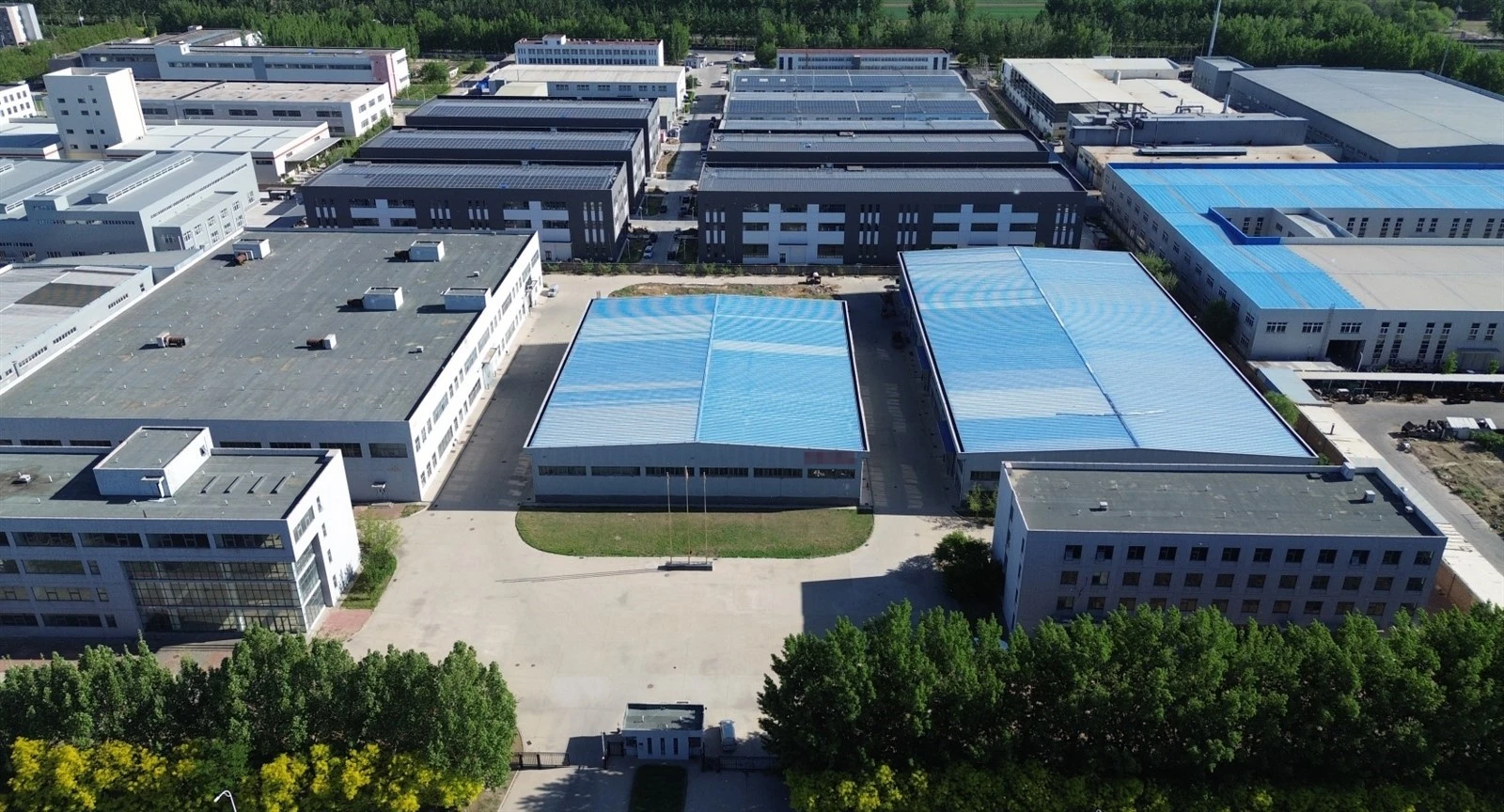
As a specialized manufacturer, we don't just provide standard parts. We offer customized design, assembly, laser marking, and specialized packaging tailored to your requirements. Our mature global logistics network and multi-lingual sales team ensure that high-quality, precision-controlled components reach your site safely and efficiently, backed by 24/7 technical support and reliable after-sales service.