Technical Guide: Hardness Matching Principle for Gear and Gear Rack Systems
Hardness Matching Principle
To maximize system service life, the hardness of the pinion gear (small gear) should be 3–5 HRC higher than the hardness of the gear rack. This strategy ensures that wear is concentrated on the pinion gear-which is easier and cheaper to replace-rather than on the expensive and long gear rack.
The Real Wear Mechanisms of Gear and Gear Rack
In a gear-rack drive system, the primary wear factors include:
Adhesive Wear (Most common)
Fatigue Pitting
Fretting Wear
Plastic Deformation (Occurs at low hardness)


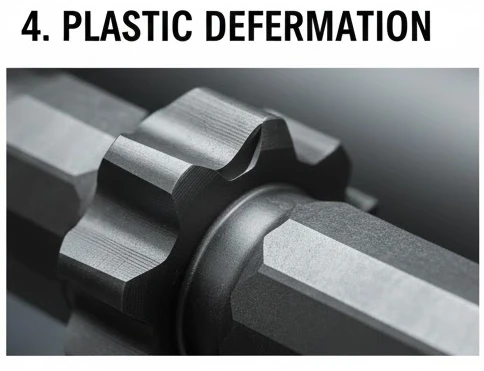
In practice, Adhesive Wear + Fatigue Pitting are the dominant factors.
Critical Analysis: Which Component is "Sacrificial"?
Case 1: Equal Hardness (No Hardness Gap)
Contact Stress: Both components bear similar stress.
Failure: Fatigue occurs simultaneously on both parts.
Result: Gear rack wear leads to high replacement costs and significant downtime.
Case 2: Pinion gear is Harder (+3–5 HRC) - Recommended
In the Contact Zone: The gear rack undergoes micro-plastic deformation while the pinion maintains elastic contact.
Result: Wear is prioritized on the small pinion gear, keeping the gear rack's tooth surface intact.
Case 3: Gear rack is Harder
Rack: Becomes more brittle; once fatigue occurs, it leads to irreversible pitting, spalling, and micro-cracking.
Pinion: Suffers from "cutting wear" caused by the harder gear rack, generating metal powder that further accelerates system degradation.
Why 3–5 HRC?
(The Engineering "Sweet Spot")
Hardness Difference
0–2 HRC
3–5 HRC
8–10+ HRC
Technical Outcome
Distributed wear; unpredictable system life.
Controllable wear; longest overall system life.
Increased meshing impact; prone to premature pitting.
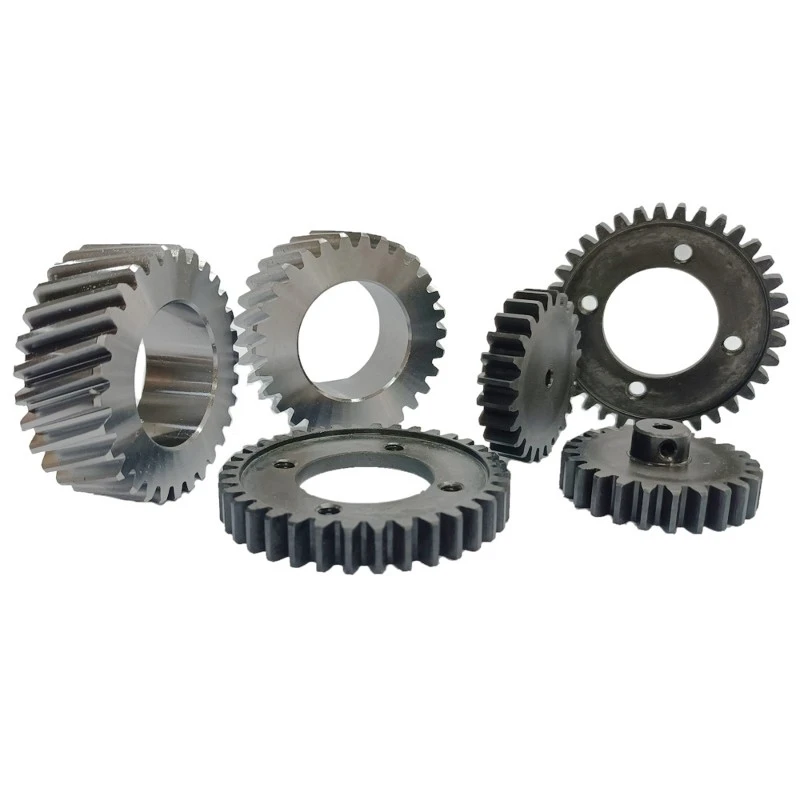
Helical gear teeth M2 M3 M4 12t 13t 14t
Tianjin OuNaiDa Transmissions Technology Co., Ltd. is one of the leading manufacturers and suppliers of helical gear teeth m2 m3 m4 12t 13t 14t in China. If you're going to buy high quality helical gear teeth m2 m3 m4 12t 13t 14t, welcome to get more information from our factory. Also, custom service is available.
https://www.tjondgear.com/gear/helical-gear/customized-helical-gear-m2-m3-m4-12t-13t-14t.html