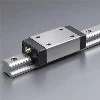
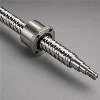
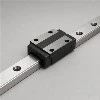
Surface Blackening Treatment (commonly applied to metal materials, especially steel) is a surface treatment process that forms a dense oxide layer on the material through chemical or electrochemical methods. Its primary functions include the following aspects:
**1. Corrosion Resistance (Anti-Rust)
Mechanism: The oxide layer (e.g., ferrosoferric oxide, Fe₃O₄) isolates the metal from oxygen and moisture, slowing oxidation.
Applications: Tools, machinery parts, firearms, and other metal products requiring long-term rust prevention.
Notes: The blackened layer is thin (typically 1-2 micrometers) and requires oil or wax coating to enhance protection.
**2. Improved Wear Resistance
Mechanism: The oxide layer has moderate hardness, reducing surface friction and wear.
Applications: Gears, bearings, molds, and other components subjected to friction.
**3. Aesthetic Enhancement
Effect: Creates a uniform black or dark blue appearance, improving visual appeal.
Applications: Precision instruments, hardware tools, decorative crafts, etc.
**4. Reduced Light Reflection
Mechanism: The blackened surface lowers light reflectivity, minimizing glare.
Applications: Optical instruments, military equipment (e.g., gun barrels, telescopes), and camera components.
**5. Enhanced Coating Adhesion
Mechanism: Increased surface roughness after blackening improves bonding for subsequent processes like painting or electroplating.
Applications: Pretreatment for coating or electroplating.
**6. Residual Stress Relief
Special Process: High-temperature blackening (130–150°C) partially relieves internal stress from machining or heat treatment.
Applications: Precision machined or heat-treated parts.
Common Process Types
Alkaline blackening (high-temperature): Traditional method with good corrosion resistance but high energy consumption.
Room-temperature blackening: Eco-friendly and energy-efficient, but thinner oxide layers require sealing treatments.
Stainless steel blackening: Achieved via acidic solutions or chemical oxidation, often used in medical devices and electronics.
Comparison with Other Surface Treatments
| Method | Advantages | Disadvantages |
|---|---|---|
| Blackening | Low cost, simple process, aesthetics | Weak protection, requires oil coating |
| Electroplating | High corrosion resistance, hardness | High cost, strict environmental regulations |
| Phosphating | Excellent coating adhesion, wear resistance | Limited color options (gray) |
| Spray coating | Diverse colors, strong protection | Thick coating may affect dimensional accuracy |
Key Considerations
Material limitations: Applicable only to specific metals like steel and stainless steel; aluminum requires anodizing.
Environmental regulations: Some processes involve strong acids/alkalis, requiring proper wastewater treatment.
Post-treatment: Post-blackening oil immersion or varnish coating is essential for effective protection.
Surface blackening offers a cost-effective solution to balance corrosion resistance, aesthetics, and functionality, widely used in machinery manufacturing, automotive, military, and tool industries.